Before you buy a used Hyundai i10 (II).
Taken only from Testigo's sourced sheets. Use it to question the seller and on the test drive: it does not confirm that any particular car is affected.
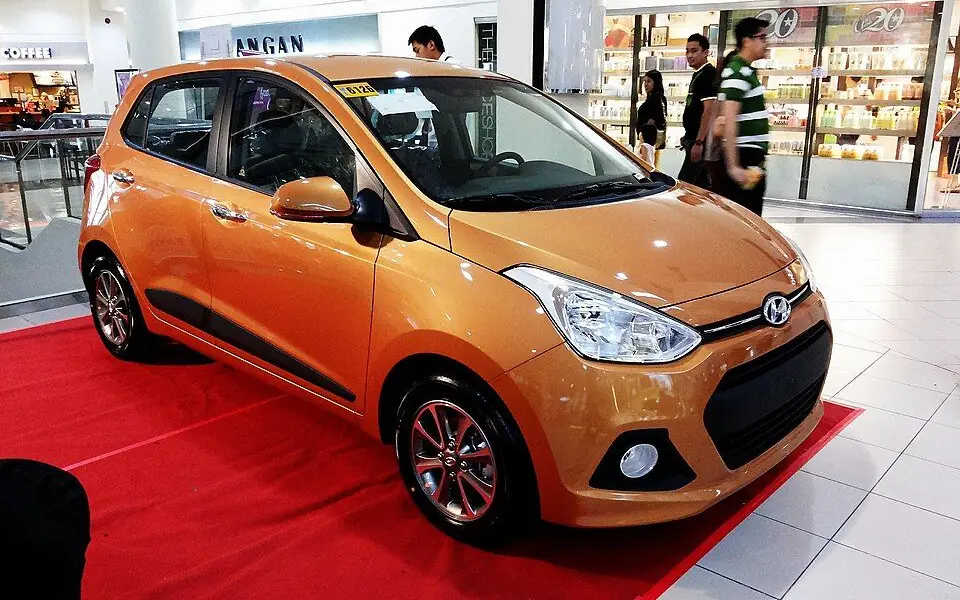
The essentials.
- 1 documented, sourced fault for its engine.
- That is not much data: if no other faults show up here, it does not mean it has none.
- It only applies with certain equipment or production dates: ask what this car has.
- We have no official recalls on record for this model; ask anyway, with the chassis number (VIN).
Typical faults by engine
The period and mileage are those mentioned by each sheet's sources. They are not a maintenance interval and do not predict that any particular car will fail.
1.0 / 1.2
Petrol
- Hard starting from the starter-motor freewheel (i10 II)Electrical and electronic systems
- Period mentioned
- 2013–2019
- Mileage mentioned
- The sheet does not mention a mileage.
Applies if: Second-generation i10.
Official recalls: ask before you pay
We have no official recalls on record for this model. Our list is not complete: ask anyway, with the chassis number.
- Ask the seller for the chassis number (VIN): it has 17 characters, appears in the car's documents and can usually also be seen at the base of the windscreen.
- Ask an official Hyundai dealer, or the brand's official website if it lets you check by chassis number, whether each recall has been done or is still outstanding for that VIN.
- Manufacturer recalls are normally carried out free of charge by the official service network. If one is outstanding, ask for it to be done before you close the sale.
On the test drive: what to look and listen for
Taken from each sheet's symptoms and checks. You can tick off what you have already looked at: it is saved only in this browser.
0 of 1 checked
Electrical and electronic systems
Look out for: Sometimes it is hard to start or the starter spins without turning the engine.
Ask them to check: If the starter spins freely, check or replace it; check brakes and lights before the roadworthiness test.
Sources
Every fact on this page comes from these Testigo sheets and their original sources. Sources are not checked in real time.
More Hyundai buying guides
- Hyundai i20 (II)2014–2020
- Hyundai i402011–2019
- Hyundai Santa Fe (III)2012–2018
- Hyundai ix202010–2019
- Hyundai i30 (II)2012–2017
- Hyundai Veloster2011–2018
- Hyundai Tucson (III)2015–2020
- Hyundai H-1 / i800 / iLoad2008–2021